Tu Youyou
1930 – Present
Who is Tu Youyou?
Tu Youyou (born 1930) is a Chinese pharmaceutical chemist. She discovered artemisinin, a malaria treatment that has saved millions of lives, and in 2015 became the first Chinese woman to win a Nobel Prize in a science.
Key Achievement
Discovered artemisinin, the most effective treatment for malaria, saving millions of lives worldwide
Her story
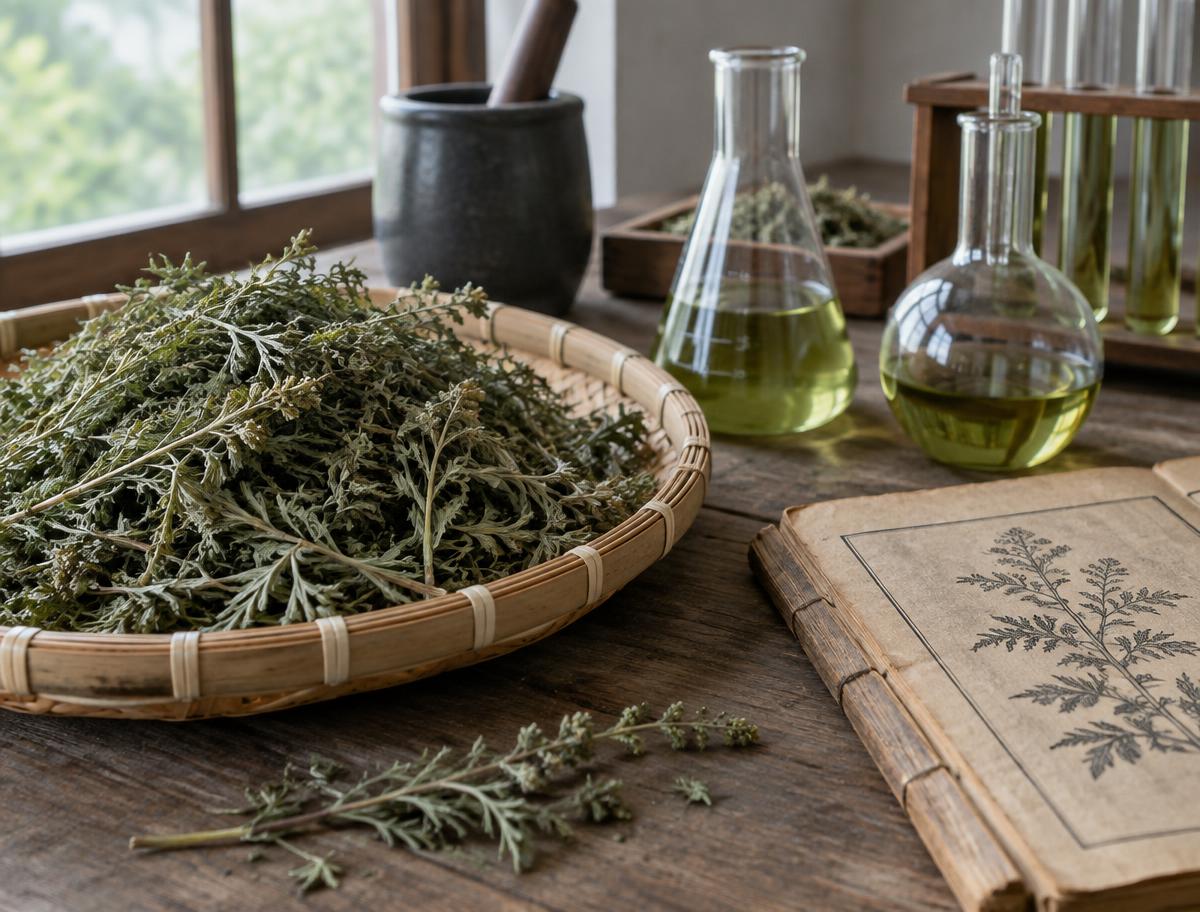
Tu Youyou is a Chinese pharmaceutical chemist and malariologist who made one of the most significant medical breakthroughs of the 20th century. In the 1960s and 70s, during the Vietnam War, she led a secret research project to find a cure for malaria, which was devastating troops and populations. Drawing on traditional Chinese medicine texts over 2,000 years old, she investigated thousands of herbal remedies. Her research led to the discovery of artemisinin, extracted from sweet wormwood (Artemisia annua), which proved remarkably effective against malaria parasites. This discovery has saved millions of lives, particularly in developing countries across Africa and Asia. In 2015, at age 84, she became the first Chinese woman to win the Nobel Prize in Physiology or Medicine, and the first Chinese citizen to win a Nobel Prize in natural sciences. Her work exemplifies how traditional knowledge, when rigorously tested with modern scientific methods, can yield revolutionary treatments. Artemisinin-based therapies remain the most effective treatment for malaria today.
Questions people ask about Tu Youyou
What did Tu Youyou discover?
In the 1970s she discovered artemisinin, extracted from sweet wormwood (Artemisia annua), which is now part of the standard treatment for malaria worldwide.
How did ancient texts help Tu Youyou?
A 4th-century text by Ge Hong described soaking sweet wormwood in cold water. This gave her the idea to extract it at a low temperature, which kept the active ingredient intact.
Did Tu Youyou win a Nobel Prize?
Yes. She shared the 2015 Nobel Prize in Physiology or Medicine for her discoveries about a new therapy against malaria.
What was Project 523?
Project 523 was a secret Chinese government programme, started in 1967, to find a malaria treatment. Tu Youyou led a research group in the project.
Sources & further reading
More remarkable women