Katalin Karikó
1955 – Present
Who is Katalin Karikó?
Katalin Karikó (born 1955) is a Hungarian-American biochemist. Her work with Drew Weissman on modified mRNA made the COVID-19 vaccines possible, and the two shared the 2023 Nobel Prize in Physiology or Medicine.
Key Achievement
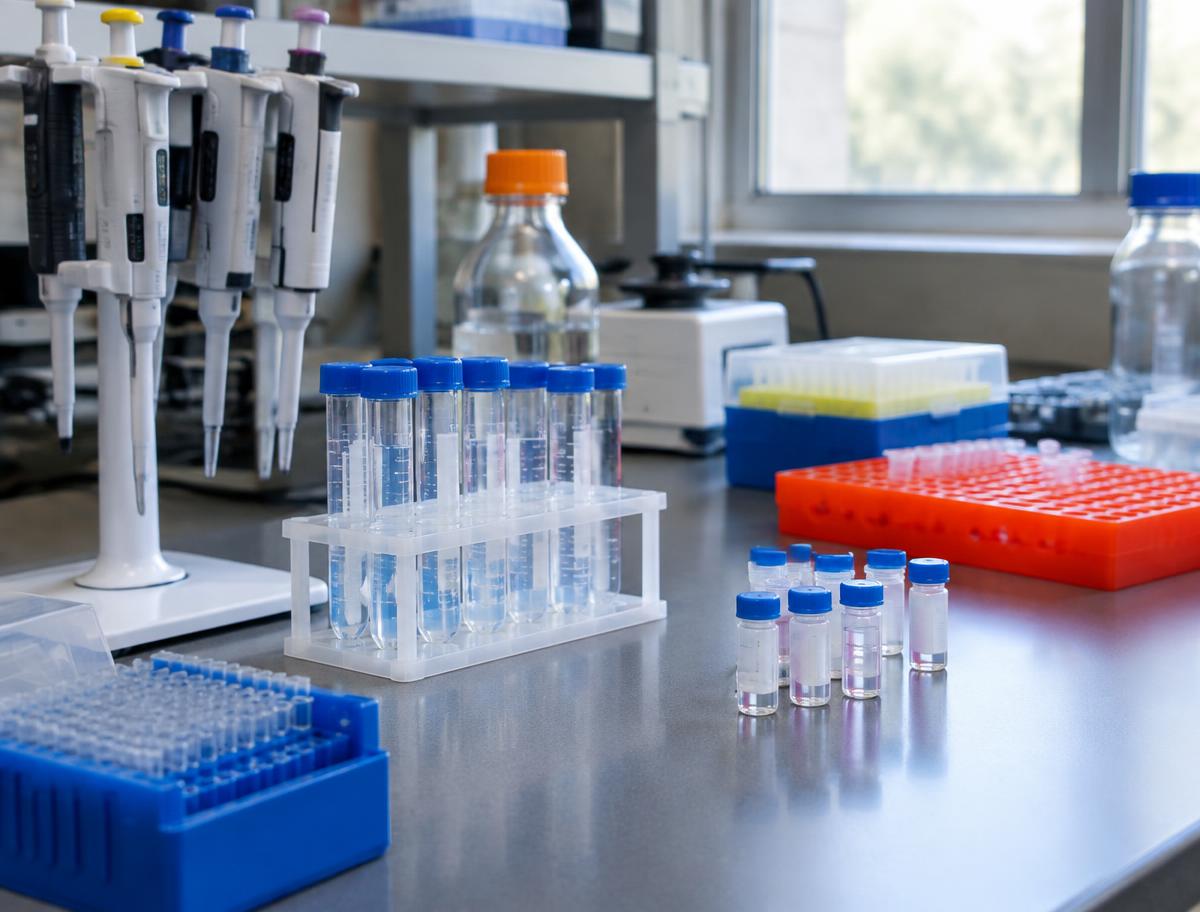
Pioneered mRNA technology that enabled COVID-19 vaccines
Her story
Hungarian biochemist whose decades of research on mRNA technology laid the foundation for COVID-19 vaccines, faced repeated rejection and demotion before her work saved millions of lives, Nobel Prize winner 2023.
Questions people ask about Katalin Karikó
What did Katalin Karikó discover?
With Drew Weissman she found that changing one building block of mRNA (uridine) stops the body's immune system from attacking it. This made mRNA usable as a medicine.
Did Katalin Karikó win a Nobel Prize?
Yes. She and Drew Weissman won the 2023 Nobel Prize in Physiology or Medicine for discoveries that enabled effective mRNA vaccines against COVID-19.
How did Katalin Karikó's work lead to COVID vaccines?
Their modified-mRNA method was used by BioNTech/Pfizer and Moderna to build COVID-19 vaccines quickly in 2020.
Did Katalin Karikó face setbacks?
Yes. For years her mRNA research struggled to get funding, and she was demoted at the University of Pennsylvania. She kept going anyway.
Sources & further reading
More remarkable women