Jane Goodall
1934 – Present
Who is Jane Goodall?
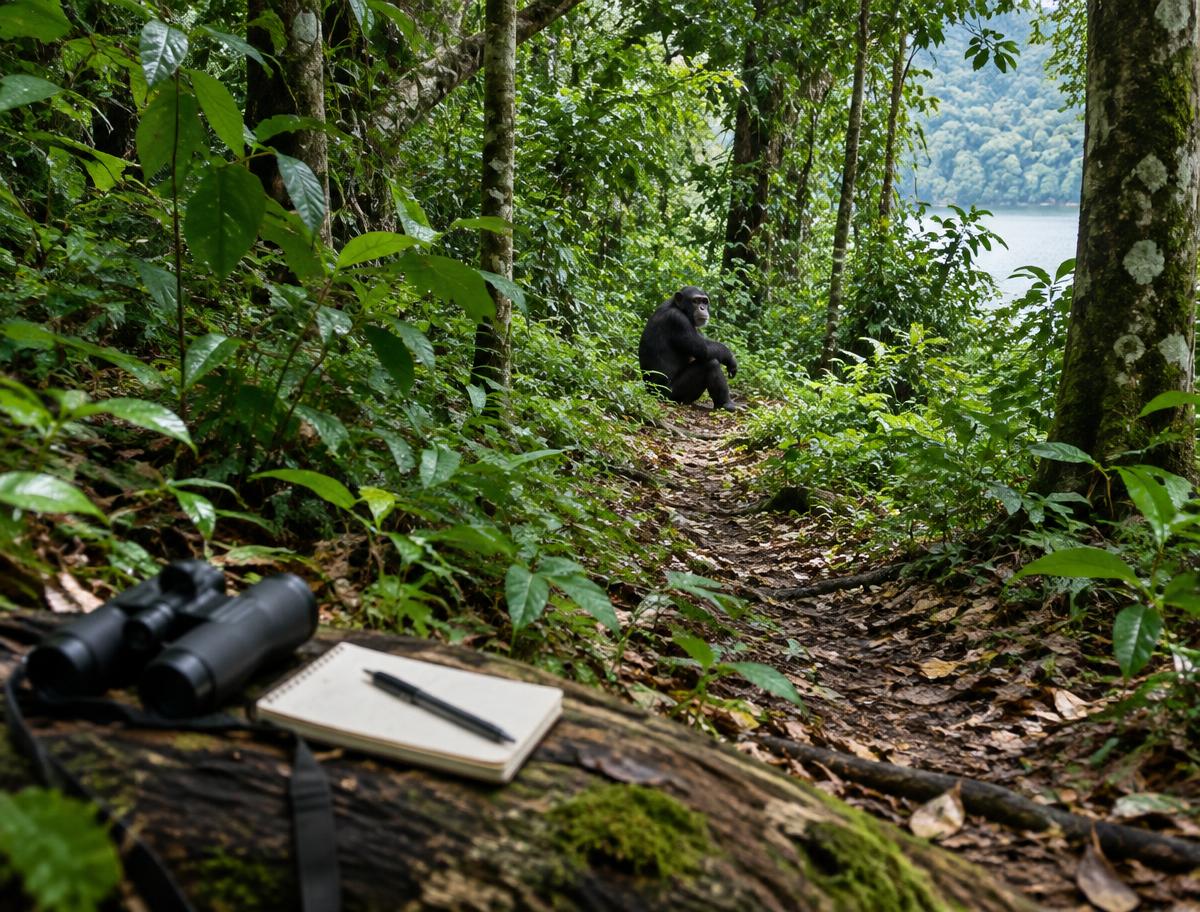
Jane Goodall (born 1934) is an English primatologist and anthropologist. Her research on wild chimpanzees in Gombe Stream, Tanzania, which began in 1960, transformed scientific understanding of animal behaviour, intelligence and emotion.
Key Achievement
60+ years of groundbreaking chimpanzee research in Tanzania
Her story
British primatologist and anthropologist who revolutionized our understanding of chimpanzees and animal intelligence through her 60+ year study in Tanzania, transformed conservation science and animal welfare.
Questions people ask about Jane Goodall
What did Jane Goodall discover?
She observed chimpanzees making and using tools, such as stripping twigs to fish for termites. Before that, scientists believed only humans made tools.
Where did Jane Goodall study chimpanzees?
At Gombe Stream National Park in Tanzania, where she began her research in 1960. It became one of the longest-running wildlife studies in the world.
What is the Jane Goodall Institute?
She founded the Jane Goodall Institute in 1977 to protect chimpanzees and their habitats. In 1991 she started Roots & Shoots, a youth programme now active in many countries.
Did Jane Goodall go to university?
She went to Africa without a degree. She later earned a PhD in ethology from the University of Cambridge, one of very few people admitted to a PhD there without an undergraduate degree.
Sources & further reading
More remarkable women