Gitanjali Rao
2005 – Present
Who is Gitanjali Rao?
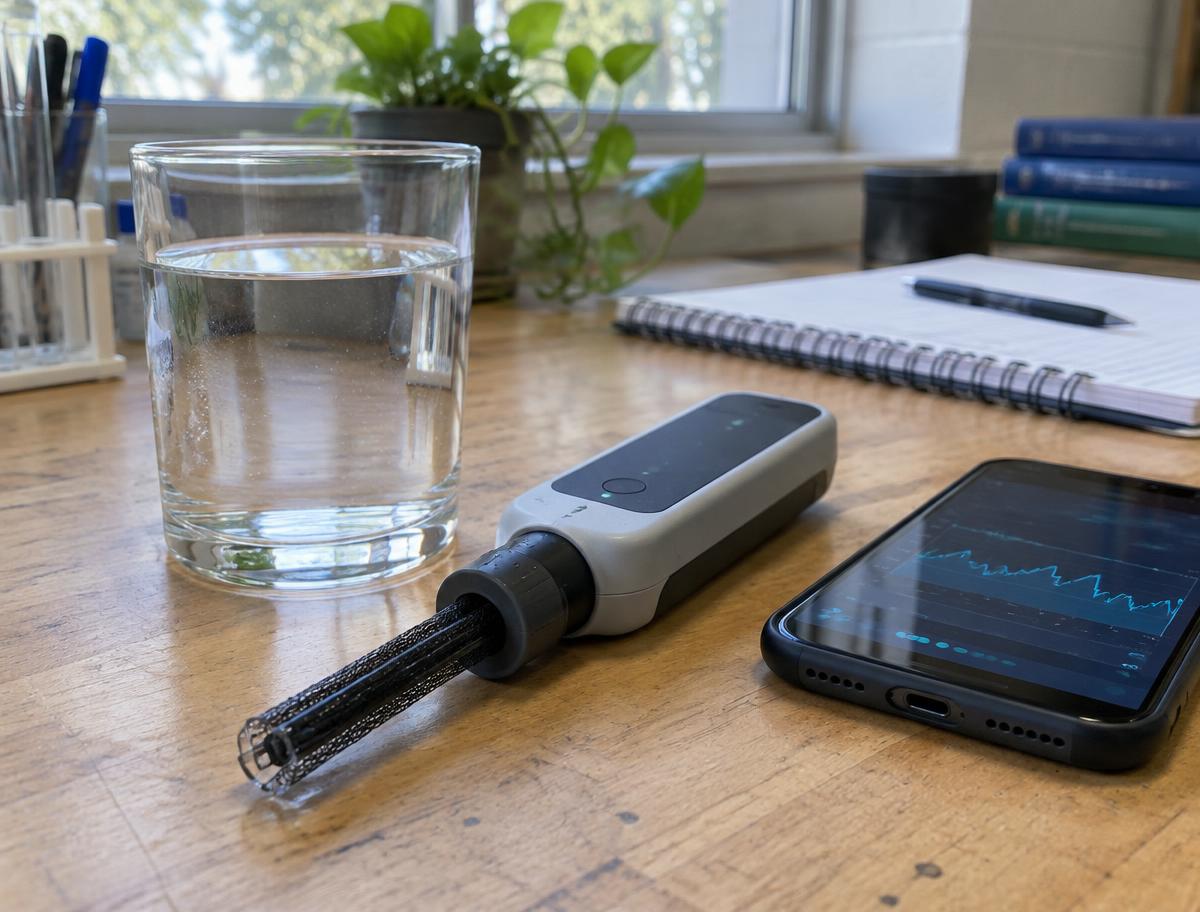
Gitanjali Rao (born 2005) is an American inventor and scientist. She created Tethys, a device that detects lead in drinking water, and in 2020 was named TIME magazine's first-ever Kid of the Year.
Key Achievement
TIME's first-ever Kid of the Year for technological innovations
Her story
Indian-American inventor and scientist, named TIME's first-ever Kid of the Year at age 15 for inventing technologies to detect contaminated water, diagnose prescription opioid addiction, and prevent cyberbullying, now 18 and continuing innovation.
Questions people ask about Gitanjali Rao
What did Gitanjali Rao invent?
Inspired by the Flint water crisis, she invented Tethys, a portable device that uses carbon nanotube sensors to detect lead in water. She has also created Kindly, an app that uses AI to help spot cyberbullying.
Why was Gitanjali Rao TIME's Kid of the Year?
TIME chose her in 2020 for using science and technology to tackle problems such as contaminated water and cyberbullying, and for teaching other young people to innovate.
What award did Gitanjali Rao win as a child?
In 2017 she won the Discovery Education 3M Young Scientist Challenge, earning the title 'America's Top Young Scientist'.
How does Gitanjali Rao inspire other kids?
She runs innovation workshops for students around the world, sharing her own step-by-step method for finding a problem and building a solution.
Sources & further reading
More remarkable women